Can You Heal Gum Disease Naturally? What Actually Works (And What Doesn't)
Can you heal gum disease naturally? Discover which minerals and treatments kill bacteria to reverse damage. Read our guide for a healthier smile today!
Read More
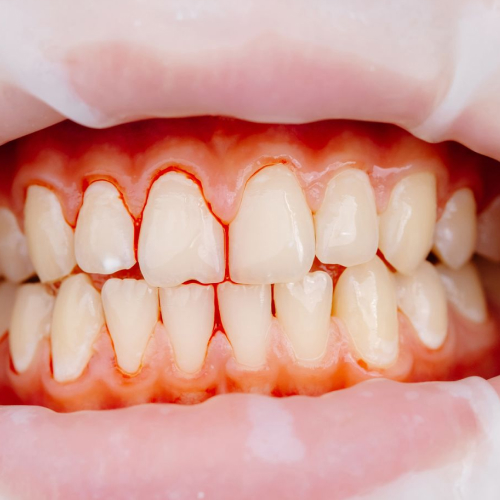
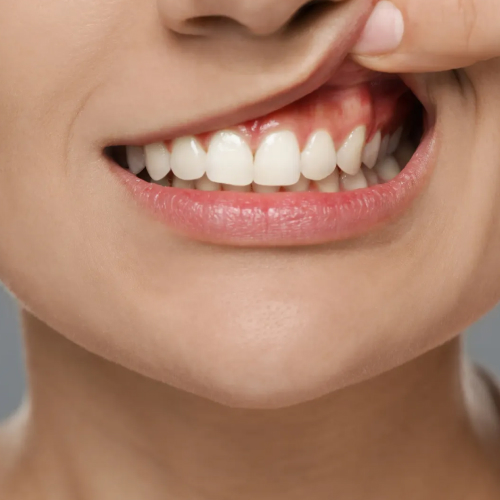
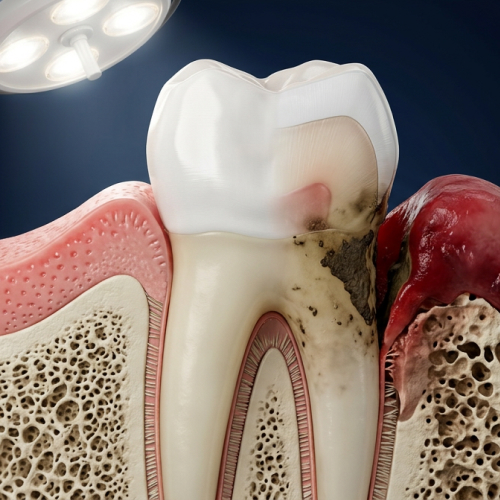
Limiting the amount of soda and juice your toddler drinks can help keep their dental health on track. Ensuring your child maintains a healthy diet is a crucial part of keeping their smile healthy and whole. This doesn't just include making sure they don't eat cookies right before dinnertime or stopping them from placing a candy bar in the grocery store's checkout. While many parents think they're relatively harmless, what a kid drinks can potentially be worse. Sweet drinks like sodas and juices are especially dangerous to a child's teeth. Unless your toddler drinks water immediately after, these sugary beverages coat their teeth and give ample time for tooth decay to work its way through. Sugar attracts oral bacteria that combine with saliva to create dental plaque. Plaque can coat the enamel in a thick layer, where acids and bacteria start attacking the enamel. First, the enamel's minerals are stripped away, making the hard surface more vulnerable. Decay then begins eating its way in until it breaks through to the softer layers below, forming a pit called a cavity. What Does A Cavity Look Like? The earlier that tooth decay is taken care of, the better it is for your toddler's smile. As parents, this makes it crucial for you to spot the first signs of dental caries as soon as they appear. Early-stage tooth decay shows itself with white spots on the enamel. However, once bacteria break through the enamel and expose the vulnerable dentin below, the cavity shows itself as a visible hole in the tooth. Cavities near the gum line may cause the gums to swell or bleed. There are other, less-visible signs to look for if you believe dental decay has a hold on your toddler’s teeth: Your child has a terrible toothache, which can either be excruciating and lasting or come and go Their teeth are sensitive to hot and cold foods and sweets Persistent bad breath and bad taste in their mouth
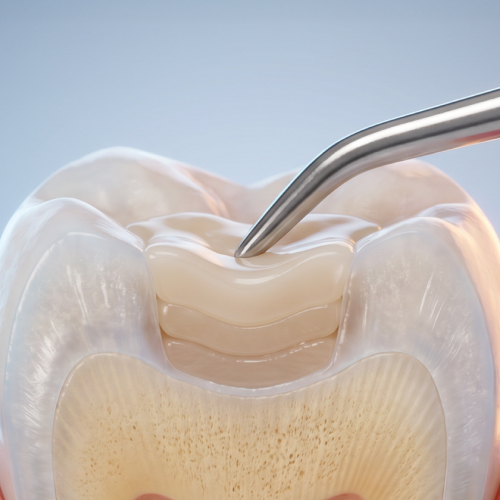
Can You Stop A Cavity Once It Starts? Before tooth decay creates a cavity, you can reverse the damage by maintaining an excellent dental hygiene routine. However, once a cavity forms, it will continue to work its way through the tooth unless the decay is professionally removed. Baby teeth are especially susceptible to bacteria. Decay can quickly spread from one tooth to another, so attentive and speedy treatment is critical. Tooth Filling A tooth filling is often required as soon as a cavity forms. During this process, all damaged parts of the tooth are removed. The hole left behind is then filled, typically with composite resin, to preserve the tooth’s original shape and bite. Dental fillings are usually only able to cover a minimal amount of surface damage. Otherwise, more all-encompassing restorations are required. Dental Crown If damage to the tooth's surface is extensive, a filling isn't enough. Your toddler will instead need a dental crown to restore the tooth. In addition to keeping a tooth protected from future decay and cavities, crowns are crucial for smiles' development. Keeping the same shape and bite of baby teeth makes it much easier for adult teeth to come in as expected. Crowns can be made of several different materials, from ceramic and porcelain to various metals. Porcelain crowns, while looking and acting like real enamel, are generally not used for repairing baby teeth. Your toddler’s teeth are only temporary, so long-term durability and aesthetics are not a pediatric dentist’s primary concerns. The most popular crown types are: Stainless Steel. Stainless steel dental crowns are the most commonly used ones for baby teeth. They are very durable and relatively inexpensive, but their unnatural look means they are more often used for back teeth rather than front ones. Composite Strip. Composite strip crowns are typically used on front teeth to maintain the look of a real tooth. They use plastic molds filled with tooth-colored composite resin to recreate the original tooth's shape and appearance. Veneered Steel. This crown is a combination of a regular stainless steel crown with an external dental veneer surface. The veneer allows your child’s tooth to have a natural-looking crown with the benefits of a strong metal crown below. Root Canal When a cavity reaches the tooth's central dental pulp, your toddler will need a root canal performed. Toothaches usually appear at this point. The pulp is the beating heart of a tooth, containing the vital nerves and blood vessels keeping it healthy. As this structure is steadily broken down and destroyed, decay makes its way down the roots to the tooth's tips. Here, infection can cause a pus-filled pocket called a tooth abscess to fester. During a root canal procedure, a kids dentist will carefully remove all decayed dental pulp, which may extend down to the root's end. This can also allow us to drain any dental abscesses safely. Once the tooth has been cleared and disinfected, it must be filled and reinforced with either a tooth filling or dental crown. If your child’s tooth pain disappears, you should schedule an emergency appointment with a pediatric dentist as soon as you can. While this sudden relief may seem like a good thing, it can be a sign that your toddler’s tooth is in danger of dying without immediate care. In some cases, a root canal may be enough to save the tooth. Otherwise, the tooth must be removed.
Should I Have My Child's Tooth Extracted? It's never fun to hear that your child's tooth needs to be removed. Some parents wonder whether tooth extraction is even necessary for their toddlers' teeth. Since they're going to fall out on their own eventually, can't you wait for nature's tooth removal to run its course? Unfortunately, this mindset can end up damaging your child's smile long after the tooth finally comes out. Tooth extraction is always a dentist's last resort, especially for a pediatric dentist. However, you should always listen to them if they recommend pulling a tooth. As tooth decay reaches the end of a tooth, it can spread into the nearby teeth, bone, and gum tissue, causing further problems for your smile. And with adult teeth waiting in the wings, they can also become diseased as dental decay starts attacking them before they even emerge. Some patients may even need to have them pulled. How Does Poor Oral Health Affect Health? Dental health doesn't exist in a vacuum. Our smiles are just one small part of a greater whole. What affects our mouths can have an impact on our general health too. Oral bacteria can enter the bloodstream to infect the rest of the body. A small-scale example of this can occur with ruptured tooth abscesses. In some cases, the infection can cause potentially life-threatening sepsis. Even with less severe threats, oral bacteria can make quite a mark on a person's general health over time. Patients with a history of severe dental decay and gum disease are at a higher risk of developing several health problems, including heart disease, stroke, and pneumonia. There are also links between poor oral health and complications during birth. How Can I Strengthen My Child's Teeth? Keeping children's smiles free from cavities involves more than cutting sodas and juices from their diets. Ensuring your toddler's teeth can fight dental decay is crucial to their oral health. Here are some simple things you can do to help their smile stay healthy and whole: Fluoride Products Fluoride is a mineral that naturally strengthens teeth against decay and prevents oral bacteria from creating acids that can break down enamel. It’s frequently used as an early tooth decay treatment, reversing the demineralization process as long as a cavity hasn’t formed. You can get a healthy amount of fluoride just from drinking water. Here in Long Beach, tap water is fluoridated to keep locals’ smiles protected against dental decay. Toothpastes and mouthwashes are also great fluoride sources, but you should be cautious when giving them to your children. They should have no more than a smear of fluoride toothpaste when brushing until they are three years old. From ages three to six, toddlers can then start using a pea-sized amount. Children under six shouldn't use any mouthwashes until they can be trusted not to swallow any accidentally. Dark Chocolate Surprising as it might seem, there is actually a type of chocolate that is healthy for our teeth. Dark chocolate contains high amounts of cocoa—between 50 to 90%, depending on the chocolate—which is a natural cavity-fighter. By eating chocolates that are at least 70% cocoa, you can prevent bacteria from creating dental plaque. Some studies show that cacao may even be more effective than fluoride. However, this doesn’t mean you should give your toddler a chocolate bar every day. There is still an unhealthy amount of sugar in dark chocolate, and it can add up over time. Moderation is key in protecting your child’s overall health.
Fresh news from the dental world



Mon 8AM - 5PM
Tue 8AM - 5PM
Wed-Thu 8AM - 5PM
Fri 8AM - 5PM
Sat 9AM - 3PM
Sun Closed
Check out what our patients are saying in Long Beach, CA...


“Answers any questions...”
I been a patient here for over twelve years. Andrea greeted me and got my folder set up. Toni is very friendly and answers any questions you have promptly, when I always come in she greets you with a smile and makes your appointment enjoyable. Today Jovani and Dr. Joan made this experience great. I recommend this dentist for new patients.

“Clean and friendly...”
Very clean and friendly crew. I really enjoyed myself.

“My favorite dentist...”
The service here is amazing and they make you feel comfortable. I'm one of those people that hates to go to the dentist and the dentists that I went to in the past were not that great with service. Overall I found my favorite dentist service now at Long Beach Family Dentist.

“A positive experience...”
Very clean and organized office! Entire staff was pleasant and friendly, and seems interested in ensuring I had a positive experience. Will definitely return! Affordable rates.
“Answers any questions...”
I been a patient here for over twelve years. Andrea greeted me and got my folder set up. Toni is very friendly and answers any questions you have promptly, when I always come in she greets you with a smile and makes your appointment enjoyable. Today Jovani and Dr. Joan made this experience great. I recommend this dentist for new patients.
“Clean and friendly...”
Very clean and friendly crew. I really enjoyed myself.
Check out our accreditations, sources, and relationships in the wide world of dentistry...


Check us out and follow our Long Beach, CA practice on social media...