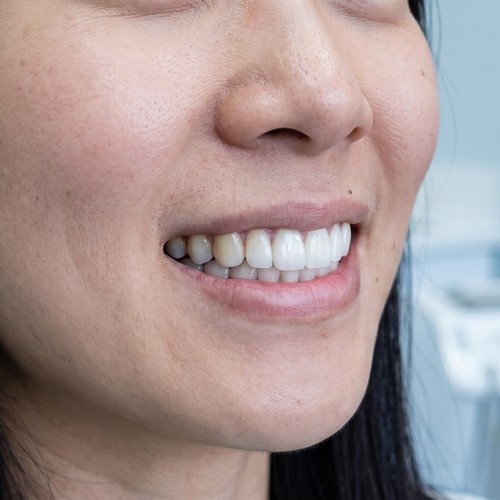
What Patients Ask Before Getting Veneers: Stains, Nightguards, and Whitening
Do veneers stain? Do you need a nightguard? Learn the facts about porcelain veneers and whitening. Schedule your consultation at Long Beach Family Dentist now!
Read More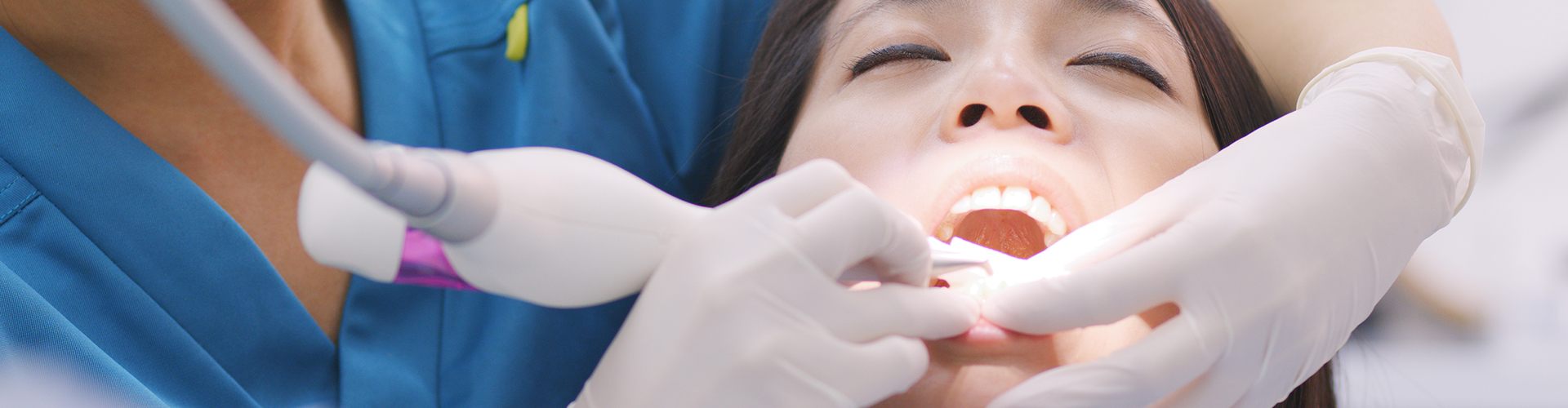
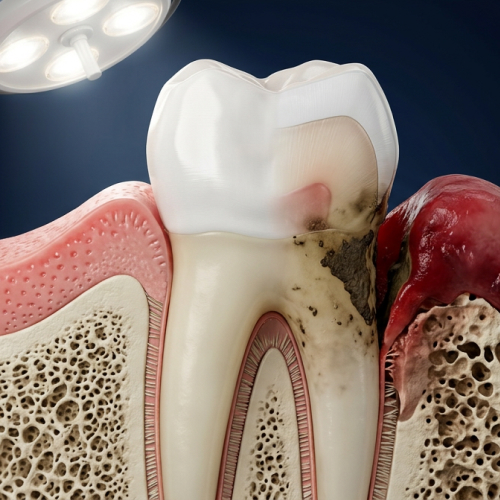
We all know that a bright, healthy smile can leave a lasting impression. But sometimes, despite our best efforts, plaque and tartar can build up on our teeth and eventually lead to gum disease. When this happens, deep cleaning (also known as scaling and root planing) can be a lifesaver. In this blog post, we'll discuss some expert tips for deep cleaning aftercare to help you maintain that sparkling smile.
Traditional deep cleaning involves using specialized dental instruments to remove plaque and tartar from the teeth and beneath the gum line. However, advancements in dental technology have led to the introduction of laser teeth cleaning, which is a more comfortable and efficient alternative to the traditional method.
The good news is that laser teeth cleaning is generally less painful than the traditional method. Lasers can target plaque and tartar with precision, resulting in minimal discomfort and bleeding. Additionally, the laser's energy can help to sterilize the treatment area and promote faster healing. While you might experience some mild discomfort during the procedure, many patients find laser teeth cleaning to be a more pleasant experience overall.
Recovery time after a deep cleaning can vary from person to person, but in most cases, your gums should start to feel better within a week or two. During this healing period, it's important to follow your dentist's aftercare instructions and practice good oral hygiene to ensure a smooth recovery. Here are some tips for promoting optimal healing after a deep cleaning:
The frequency with which you should get a deep cleaning depends on several factors, including your overall oral health, your risk for gum disease, and your dentist's recommendations. Generally, deep cleanings are recommended every 3-4 years for those with a low risk of gum disease. However, if you have a history of gum disease or other risk factors, your dentist may suggest more frequent deep cleanings.
It's essential to maintain regular dental checkups and cleanings to catch any potential issues early on and prevent the need for more invasive treatments like deep cleaning. Regular dental visits also allow your dentist to monitor your gum health and suggest a deep cleaning when necessary.
To keep your smile shining bright after a deep cleaning, follow these additional expert tips:
Maintaining a sparkling smile after a deep cleaning is all about following your dentist's aftercare instructions and taking care of your overall oral health. By incorporating the expert tips we've shared, you can ensure a faster recovery and keep your teeth and gums in excellent condition.
If you're due for a dental checkup, deep cleaning, or simply want to learn more about maintaining your oral health, don't hesitate to schedule an appointment with our clinic. Our experienced team of dental professionals is here to help you achieve the healthy, radiant smile you've always wanted. Book your appointment today and take the first step toward a lifetime of optimal dental health!
Fresh news from the dental world




Mon 8AM - 5PM
Tue 8AM - 5PM
Wed-Thu 8AM - 5PM
Fri 8AM - 5PM
Sat 9AM - 3PM
Sun Closed
Check out what our patients are saying in Long Beach, CA...


“Answers any questions...”
I been a patient here for over twelve years. Andrea greeted me and got my folder set up. Toni is very friendly and answers any questions you have promptly, when I always come in she greets you with a smile and makes your appointment enjoyable. Today Jovani and Dr. Joan made this experience great. I recommend this dentist for new patients.

“Clean and friendly...”
Very clean and friendly crew. I really enjoyed myself.

“A positive experience...”
Very clean and organized office! Entire staff was pleasant and friendly, and seems interested in ensuring I had a positive experience. Will definitely return! Affordable rates.

“My favorite dentist...”
The service here is amazing and they make you feel comfortable. I'm one of those people that hates to go to the dentist and the dentists that I went to in the past were not that great with service. Overall I found my favorite dentist service now at Long Beach Family Dentist.
“Answers any questions...”
I been a patient here for over twelve years. Andrea greeted me and got my folder set up. Toni is very friendly and answers any questions you have promptly, when I always come in she greets you with a smile and makes your appointment enjoyable. Today Jovani and Dr. Joan made this experience great. I recommend this dentist for new patients.
“Clean and friendly...”
Very clean and friendly crew. I really enjoyed myself.
Check out our accreditations, sources, and relationships in the wide world of dentistry...


Check us out and follow our Long Beach, CA practice on social media...