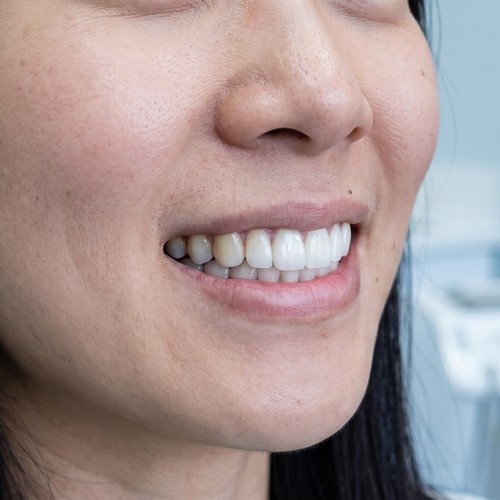
What Patients Ask Before Getting Veneers: Stains, Nightguards, and Whitening
Do veneers stain? Do you need a nightguard? Learn the facts about porcelain veneers and whitening. Schedule your consultation at Long Beach Family Dentist now!
Read More
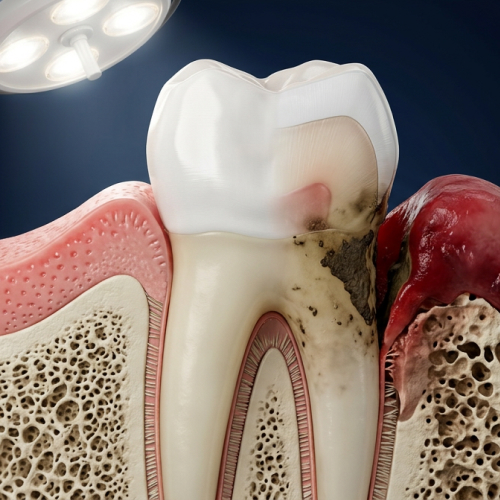
Gross debridement or full mouth debridement is the dental process of removing plaque and tartar build-up on the teeth and under the gums. This procedure is done by the general dentist or a dental specialist like a periodontist. This is mainly carried out so that the dental professional can efficiently perform a thorough oral examination of the patient. Many times, it is common that dental care is delayed due to other piling responsibilities. This is not usual, but it should be avoided at all costs. If a patient does not have their teeth professionally cleaned for many years, plaque and calculus may form. When this occurs, it becomes hard for the dentist to properly examine the teeth and soft tissues. In these cases, gross debridement of the oral cavity is recommended. When Is Gross Debridement Needed? Gross debridement is primarily needed in the cases of plaque and calculus or tartar accumulation. Plaque is a tenacious, sticky film that is formed by the oral bacterial flora that forms around the teeth. On the other hand, calculus, also known as tartar, is a calcified, hard mineralized deposit that forms from the already existing plaque deposits around the teeth. For this, it is essential that we brush and floss regularly and properly and do not brush too quickly, do not use a worn-out brush, and not use a stiff toothbrush that does not brush the teeth effectively. Procedure For Gross Debridement Following are the steps that are included when performing gross debridement: Step 1 (Examination) Firstly, the dentist will thoroughly examine the oral cavity of the patient to view how much plaque deposit is present. If the patient is allergic to something or is prone to infections, the dentist will give the patient a pre-appointment antibiotic. Step 2 (Anesthesia) Some dentists make use of anesthesia before the procedure to remove any kind of discomfort that they might have. Mainly Novocaine injections are used, but in situations where the patient is anxious and nervous, nitrous oxide, also known as laughing gas, and other relaxants are used. Step 3 (Cleaning) Thirdly, the dentist or the dental hygienist will make use of an ultrasonic machine that combines streams of water and vibrations that help loosen up the calculus deposits. Upon loosening these hard deposits, the dentist uses a handheld scaler to remove the calculus and debris off the teeth and cleans the gum line. Step 4 (Polishing) This procedure is done to remove rough areas to which bacteria like to cling. It helps prevent tooth decay and gum disease. After the cleaning of the teeth is done and all the debris and calculus is removed, the dentist polishes the tooth surface or may recommend additional treatments that might be needed by the patient. Step 5 (Recovery and Precautions) The gross debridement procedure takes approximately 45 minutes to an hour and does not replace regular dental cleaning. After the gross debridement procedure (full mouth debridement), the patient may find that their teeth are more sensitive to hot and cold temperatures and sweets. It is recommended that the usage of sensitive teeth toothpaste should be of much help. In the days following the gross debridement procedure, the patient is instructed to continue to brush twice daily, floss at least once daily, and use mouthwash (without alcohol) at least once a day. How To Avoid Gross Debridement Patients are always advised if they follow correct oral hygiene protocols and brush and floss regularly, they can avoid extensive dental procedures, including gross debridement. Here are some tips that can help save the person from these procedures: · Avoid eating and drinking sugary substances. Sugary substances stick to the person’s teeth and promote bacteria growth. If a person does eat these kinds of food, they should always brush and rinse afterward. · A patient is advised to brush at least twice a day with an appropriate toothbrush, mostly soft, and with fluoride toothpaste. · Nowadays, the usage of electric toothbrushes has significantly increased in comparison to manual toothbrushes. These brushes can help clean between the teeth and also the gum line. · It is important that along with brushing, the person should floss regularly, too. · To avoid the formation of plaque, the person should give up on smoking, vaping, and chewing on nicotine. · We should visit the dentist at least twice a year for regular check-ups and teeth cleanings. Difference Between Gross Debridement And Scaling & Root Planing If a person has periodontitis (inflammation of the gums), they will have periodontal pockets and inflammation of the gums. These are the spaces between the tooth and gums, mainly where the bacteria and the bacterial flora thrive and stay. Since these pockets cannot be easily cleaned and the debris removed by the gross debridement procedure. At this stage, the dentist recommends another procedure like scaling and root planing. According to the ADA, scaling and root planing are done along with local anesthesia. These procedures are similar in a way that helps in the removal of tartar and debris from the teeth. Root planing is the smoothing of a tooth’s root. Root planing can be done throughout the oral cavity or in specific areas to help gum tissue reattach to teeth. After the procedure is over, antibiotics or an antibacterial gel may be placed directly into the pockets to ensure they remain germ-free. To Conclude The gross debridement procedure is a dental procedure to help in the professional removal of plaque accumulation and calculus removal. This procedure is only needed when the person does not maintain adequate oral hygiene practice and does not brush and floss according to the recommended times by the dentist. To save oneself from going through this process, the person should brush regularly, floss, and avoid sugary food and drinks. FAQs Q1. Is full mouth debridement necessary? Full mouth debridement (gross debridement) is necessary to ensure proper cleansing and examination of the patient's teeth. It helps the removal of plaque and calculus or tartar build-up over the course of time due to poor oral hygiene. Q2. Is a full mouth debridement painful? Mostly the patient does not feel any sort of pain during the procedure, but some dentists make use of anesthesia to ease the patient's discomfort, and in case of nervousness, laughing gas is used. Q3. Is a full mouth debridement the same as a deep cleaning? Full mouth debridement and deep cleaning are not the same things. While gross debridement is used to mostly diagnose what is happening in the oral cavity, deep cleaning removes the debris and plaque by using high-pressure water hoses, and dental instruments are used to scrape off the debris.
Fresh news from the dental world





Mon 8AM - 5PM
Tue 8AM - 5PM
Wed-Thu 8AM - 5PM
Fri 8AM - 5PM
Sat 9AM - 3PM
Sun Closed
Check out what our patients are saying in Long Beach, CA...


“Answers any questions...”
I been a patient here for over twelve years. Andrea greeted me and got my folder set up. Toni is very friendly and answers any questions you have promptly, when I always come in she greets you with a smile and makes your appointment enjoyable. Today Jovani and Dr. Joan made this experience great. I recommend this dentist for new patients.

“Clean and friendly...”
Very clean and friendly crew. I really enjoyed myself.

“A positive experience...”
Very clean and organized office! Entire staff was pleasant and friendly, and seems interested in ensuring I had a positive experience. Will definitely return! Affordable rates.

“My favorite dentist...”
The service here is amazing and they make you feel comfortable. I'm one of those people that hates to go to the dentist and the dentists that I went to in the past were not that great with service. Overall I found my favorite dentist service now at Long Beach Family Dentist.
“Answers any questions...”
I been a patient here for over twelve years. Andrea greeted me and got my folder set up. Toni is very friendly and answers any questions you have promptly, when I always come in she greets you with a smile and makes your appointment enjoyable. Today Jovani and Dr. Joan made this experience great. I recommend this dentist for new patients.
“Clean and friendly...”
Very clean and friendly crew. I really enjoyed myself.
Check out our accreditations, sources, and relationships in the wide world of dentistry...


Check us out and follow our Long Beach, CA practice on social media...