Why Your Invisalign Trays Aren't Fitting — And What to Do About It
Invisalign trays not fitting right in Long Beach? Learn why gaps happen, what tracking means, and when refinements are needed. Get answers from our dental team.
Read More
There’s nothing groundbreaking about brushing your teeth. Or so it seems. But step into any dental aisle, and it’s clear things have changed. Manual brushes are no longer your only option. The electric toothbrush is now the new thing: with a buzz, a spin, and a promise of better results.
So, which one should you be using?
At Long Beach Family Dentist, we know this is one of the most common questions patients ask. You might be wondering if it’s worth the extra cost or if you’re missing out by sticking with your trusty manual.
Plaque is the soft, sticky film that builds up on your teeth every day. It's the reason we brush in the first place. And while both electric and manual toothbrushes can remove plaque, they don’t always do so equally.
That doesn’t mean manual brushes are useless. But if plaque is something your dentist often mentions during checkups, an electric toothbrush might help turn things around faster.
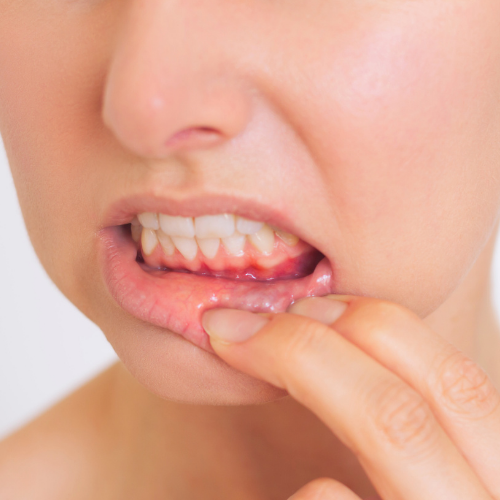
Gum health is about more than flossing and mouthwash. Your brushing technique has a huge impact—especially how you clean near the gumline, where bacteria love to hide.
Bottom line? Electric brushes can give you an edge if your gums are sensitive, receding, or prone to inflammation.
This is the part where practicality kicks in. Electric toothbrushes aren’t exactly cheap, especially the fancy ones with Bluetooth and multiple brushing modes. But are they worth it?
So, is it worth it? If you’ve had dental issues, struggle with consistent brushing, or just want a little help staying on track, yes. For someone with great habits and no complaints, it might not be essential.
Let’s not pretend there’s one toothbrush to rule them all. The right brush for you depends on your needs, your habits, and honestly, your budget.
But here’s what we tell our patients:
Either way, the most important thing is how you brush, not just what you use. Even the fanciest toothbrush won’t help if it spends more time charging than in your mouth.
Choosing a toothbrush is a personal decision. But if you’re not sure what’s best for you, we’re happy to help.
At Long Beach Family Dentist, we take a close look at your oral health, talk about your habits, and offer personalized recommendations without judgment. Whether you're team electric or team manual, we’ll help you get the most out of every brushstroke.
Need help deciding or want to improve your brushing technique? Schedule an appointment with us today. Your smile will thank you.
Fresh news from the dental world



Mon 8AM - 5PM
Tue 8AM - 5PM
Wed-Thu 8AM - 5PM
Fri 8AM - 5PM
Sat 9AM - 3PM
Sun Closed
Check out what our patients are saying in Long Beach, CA...


“My favorite dentist...”
The service here is amazing and they make you feel comfortable. I'm one of those people that hates to go to the dentist and the dentists that I went to in the past were not that great with service. Overall I found my favorite dentist service now at Long Beach Family Dentist.

“Clean and friendly...”
Very clean and friendly crew. I really enjoyed myself.

“Answers any questions...”
I been a patient here for over twelve years. Andrea greeted me and got my folder set up. Toni is very friendly and answers any questions you have promptly, when I always come in she greets you with a smile and makes your appointment enjoyable. Today Jovani and Dr. Joan made this experience great. I recommend this dentist for new patients.

“A positive experience...”
Very clean and organized office! Entire staff was pleasant and friendly, and seems interested in ensuring I had a positive experience. Will definitely return! Affordable rates.
“My favorite dentist...”
The service here is amazing and they make you feel comfortable. I'm one of those people that hates to go to the dentist and the dentists that I went to in the past were not that great with service. Overall I found my favorite dentist service now at Long Beach Family Dentist.
“Clean and friendly...”
Very clean and friendly crew. I really enjoyed myself.
Check out our accreditations, sources, and relationships in the wide world of dentistry...


Check us out and follow our Long Beach, CA practice on social media...