Dental Implants vs. Bridges: Pain, Longevity, and Which Works Best for Front Teeth
Comparing dental implants vs. bridges for pain, lifespan, and front teeth? Discover the best option for your smile and schedule your consultation today!
Read More
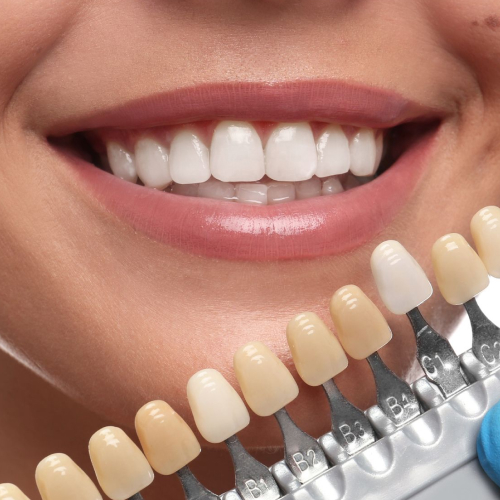
Whitening, composite bonding, and porcelain veneers each solve different cosmetic problems — and choosing the wrong one can cost you more in the long run. Two hidden traps most patients never hear about: whitening adjacent to existing bonding makes it look darker, and whitening right before bonding causes the bond to fail entirely.
For Long Beach-area patients, most people assume they can whiten their teeth first, then schedule bonding or veneers right afterward to match the new shade. Logical plan — but it fails chemically.
When carbamide or hydrogen peroxide bleaching gels work on your enamel, they leave active oxygen molecules trapped inside the enamel pores for several days after treatment ends. Those oxygen molecules chemically interfere with the polymerization process that cures dental bonding adhesives. Schedule bonding too soon and the adhesive simply won't bond properly — the restoration can pop off almost immediately. According to WebMD, peroxide concentrations in professional whitening systems range from 15% to 43%, meaning a significant oxygen load remains in the tooth structure post-treatment. Dentists generally recommend waiting 7 to 14 days after your last whitening session before any bonding or veneer placement to allow those oxygen molecules to fully dissipate. If you're considering pro teeth whitening as part of a broader smile makeover, timing your treatments correctly is essential.
The second trap is equally frustrating. Whitening strips and gels only affect natural tooth enamel — they cannot change the color of composite resin. So if you already have composite bonding on your front teeth and you try to whiten your smile, the natural tooth structure surrounding the bonding gets lighter while the resin stays exactly the same shade. The result is a visible dark "halo" or border line at every margin where natural tooth meets composite — making the bonding look stained and obvious rather than invisible. As Cleveland Clinic explains, bleaching agents lift stains from natural enamel, but composite resin does not respond the same way. The only fix at that point is having the bonding completely removed and replaced to match your new, whiter shade — an entirely avoidable expense.
These three treatments are not interchangeable. They solve different problems.
Teeth whitening works best for patients with healthy, unrestored teeth and surface-level or age-related discoloration. According to WebMD's overview of teeth whitening, whitening is ideal for people with yellow-toned staining and no fillings or crowns on the teeth being treated. Patients with sensitive teeth, very dark intrinsic stains, or significant restorations may not be good candidates.
Professional in-office whitening can lighten teeth three to eight shades. Whitening toothpastes, by comparison, shift color by roughly one shade — useful for maintenance, not transformation.
Composite bonding addresses structural and shape issues that whitening cannot touch: chips, small cracks, minor gaps, and slightly uneven teeth. A dentist applies tooth-colored resin directly to the tooth surface, sculpts it, and hardens it with a curing light. Cleveland Clinic notes that bonding typically takes 30 to 60 minutes per tooth and can often be completed in a single visit. It's minimally invasive — but it stains more easily than porcelain and chips over time.
Porcelain veneers are the right choice when multiple teeth have severe discoloration, uneven shape, or cosmetic concerns that bonding cannot adequately address. According to Healthline's overview of dental veneers, porcelain veneers are permanently bonded to the front surface of teeth and can last 10 to 15 years with proper care. Because they require enamel removal, veneers are an irreversible commitment — but their stain resistance and longevity make them the most durable cosmetic option of the three.
Patients with active cavity fillings needs or gum disease are not candidates for any of these cosmetic treatments until underlying oral health is restored first.
Most comparisons stop at upfront treatment. That's where the picture gets misleading — particularly for composite bonding.
Porcelain veneers require a larger initial investment, but they resist staining, rarely need polishing beyond routine cleanings, and typically last 10 to 15 years without replacement. The ADA's guidance on whitening notes that professional bleaching remains effective for ongoing maintenance, making periodic whitening touch-ups a straightforward long-term strategy for patients who are good whitening candidates.
Composite bonding carries a different maintenance burden. The resin stains from coffee, tea, and red wine. It requires professional polishing every six to twelve months to maintain its appearance — which is also a good time to schedule a cleaning and exam to keep your overall oral health on track. And it typically needs full replacement every five to seven years — meaning a patient with bonding on several teeth may pay for two complete replacement cycles within a decade, plus all the polishing appointments in between.
Over ten years, the cumulative maintenance and replacement burden of composite bonding can quietly exceed the upfront investment of porcelain veneers. That doesn't make bonding the wrong choice — for a single chipped tooth or a minor gap, it's often the most sensible option. But patients planning to bond multiple front teeth deserve a full picture of what that choice costs over time, not just at the first appointment.
Whitening, meanwhile, requires annual or biannual touch-up treatments to maintain results, particularly for patients who drink coffee regularly or smoke. Results from professional whitening last roughly six months to three years depending on lifestyle habits.
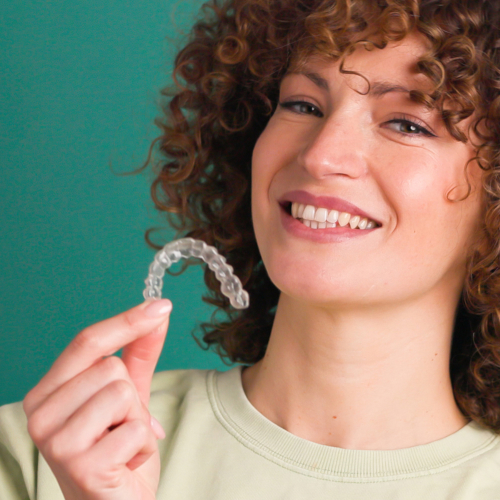
The right choice depends on the severity of your cosmetic concerns, the current condition of your teeth, and how you weigh short-term convenience against long-term durability. For patients also considering alignment issues, Invisalign may need to be factored into the treatment sequence before any cosmetic work begins.
If you're weighing teeth whitening, composite bonding, or porcelain veneers, the starting point is always an honest assessment of your teeth — not a guess based on what a friend had done. Long Beach Family Dentist serves patients throughout Long Beach and the surrounding metro area. Schedule a cosmetic consultation to get a clear recommendation based on your specific goals and the actual condition of your smile. Our team offers a full range of aesthetic dentistry services to help you find the right solution for your unique needs.
This article is for informational purposes only and does not constitute professional dental advice. Always consult a licensed dentist before beginning any cosmetic dental treatment.
Fresh news from the dental world



Mon 8AM - 5PM
Tue 8AM - 5PM
Wed-Thu 8AM - 5PM
Fri 8AM - 5PM
Sat 9AM - 3PM
Sun Closed
Check out what our patients are saying in Long Beach, CA...


“My favorite dentist...”
The service here is amazing and they make you feel comfortable. I'm one of those people that hates to go to the dentist and the dentists that I went to in the past were not that great with service. Overall I found my favorite dentist service now at Long Beach Family Dentist.

“Clean and friendly...”
Very clean and friendly crew. I really enjoyed myself.

“A positive experience...”
Very clean and organized office! Entire staff was pleasant and friendly, and seems interested in ensuring I had a positive experience. Will definitely return! Affordable rates.

“Answers any questions...”
I been a patient here for over twelve years. Andrea greeted me and got my folder set up. Toni is very friendly and answers any questions you have promptly, when I always come in she greets you with a smile and makes your appointment enjoyable. Today Jovani and Dr. Joan made this experience great. I recommend this dentist for new patients.
“My favorite dentist...”
The service here is amazing and they make you feel comfortable. I'm one of those people that hates to go to the dentist and the dentists that I went to in the past were not that great with service. Overall I found my favorite dentist service now at Long Beach Family Dentist.
“Clean and friendly...”
Very clean and friendly crew. I really enjoyed myself.
Check out our accreditations, sources, and relationships in the wide world of dentistry...


Check us out and follow our Long Beach, CA practice on social media...