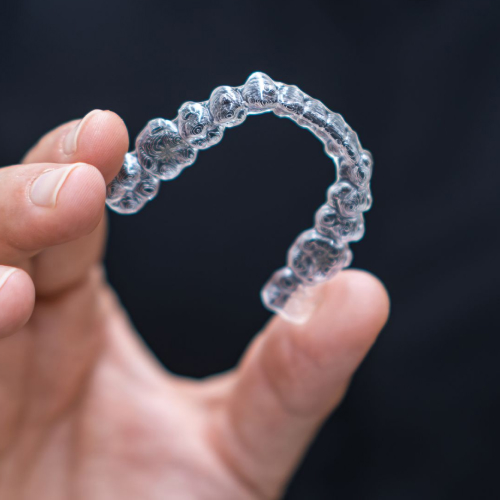
Why Your Invisalign Trays Aren't Fitting — And What to Do About It
Invisalign trays not fitting right in Long Beach? Learn why gaps happen, what tracking means, and when refinements are needed. Get answers from our dental team.
Read More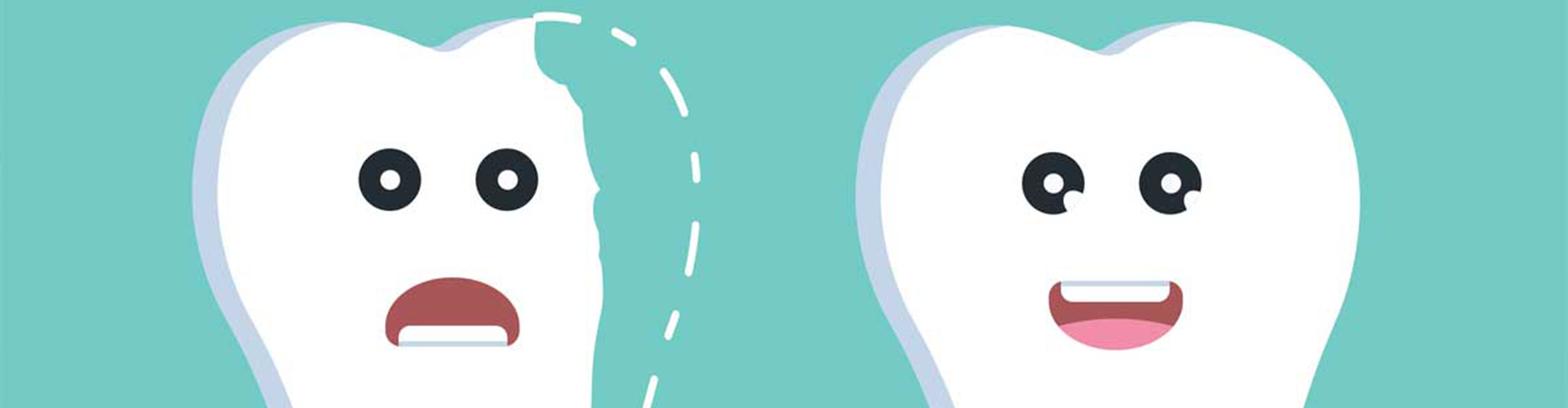
A chipped tooth is a dental problem in which a part of the patient’s tooth chips off when that person chews on something hard like candy, a corn cob, or ice cubes. There are many other reasons why a chipped tooth occurs, and one of them is that a tooth may chip after it softens due to the development of a carious lesion. Why Does A Chipped Tooth Occur? In a tooth, there are three layers, the outermost layer is called the enamel, the second layer is dentin, and the core is pulpal tissue. The enamel is the hardest and strongest of the three layers, but even so, this layer is damaged if it undergoes assault repeatedly. In normal daily masticatory function, the normal wear and tear that occurs can cause the tooth to chip and break off. Due to this, the tooth assumes a disfiguring appearance. How Do You Get A Chipped Tooth? Nowadays, falls and road accidents are becoming common reasons which lead to tooth fractures and chipping of teeth if the injury is minor. There are many reasons apart from this that are responsible for a chipped tooth. They are as follows: -Chewing something hard, which includes ice cubes, hard candy, attempting to open bottle caps, and even chewing on a corn cob. -Bruxism is a major contributor, it involves the grinding of teeth in which a person grinds their teeth in their sleep. -During sports and other forms of exercise, such as boxing, accidents happen when the athlete is not wearing a mouth guard. -The most common reason is falling off the stairs or tripping over something. -During automobile accidents. -The development of dental caries is also a prime culprit in the chipping of teeth because it weakens the tooth, thereby fracturing it. -Poor dental hygiene is also a reason because, if it is not maintained, then it may cause the thinning of enamel and thus result in its damage.
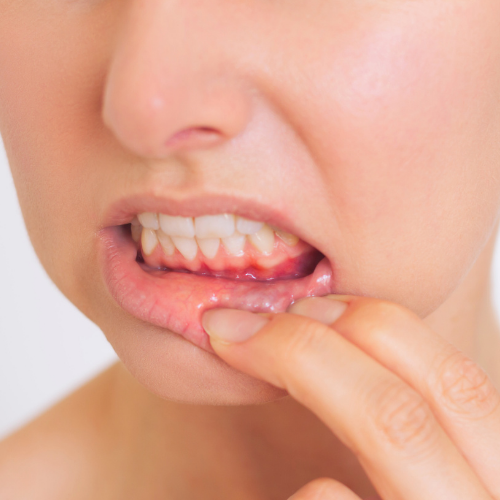
Symptoms Of A Chipped Tooth There are times when a person may hit their tooth at such an angle that a part of the posterior tooth is fractured or chipped, and this may go unnoticed because there are no symptoms present. When they do appear, is when the patient visits a dentist to have a look at it and finds out that it is a chipped tooth. The symptoms are as follows: -The feeling of a rough and sharp surface when you run your tongue over it. -An irritation and redness of the gums that surround the chipped or fractured tooth. -The tongue is irritated when that chipped tooth comes into contact with it. -Pain radiates when the chipped tooth comes into contact with the tooth of the opposite arch during mastication. This can be severe when the chipping of the tooth causes the nerves of the pulpal tissue to be exposed. Treatment Options For A Chipped Tooth Chipped teeth are treated differently depending on their location, severity, and symptoms. In most cases, a chipped tooth is not considered a dental emergency unless it causes severe pain or interferes with eating and sleeping. But it is wise that the person should get a dentist’s appointment at the earliest to avoid any further infection or damage to the already affected tooth. If the chip in the tooth is minor, it can be treated by smoothing and polishing the tooth. When the chip of the tooth is severe, it can be treated in several ways: -Tooth reattachment: After the tooth fragment breaks off, you can place it in a cup of milk to keep it moist or tuck it between your cheek and gum, being careful not to swallow it. A dentist can then cement the chipped tooth back in place using cement after you take it to them for treatment. -Bonding: A composite resin-like material or porcelain is cemented to the surface of the tooth and shaped to the desired form. Ultraviolet rays are used to harden and dry the material. Further shaping is done after drying until the material fits the patient's teeth perfectly. -Dental veneers: To make room for the veneer, some of the tooth's enamel is smoothed away. Usually, the dental professional shaves away less than a millimeter. The dentist will then make an impression on the patient's tooth and send it to a lab to create the veneer. A temporary or immediate veneer may be used before the permanent veneer is available. -Dental onlays: If the chip only affects a part of the tooth, the dentist suggests a dental onlay, which is often applied to the surface of the molars. If damage to the tooth is significant, the dentist might recommend a full dental crown. The patient may receive anesthesia so the dentist can work on the affected tooth to make sure there is room for an onlay. Dental onlays can last for decades, but a lot depends on whether the person eats a lot of foods that put wear and tear on the onlay and what tooth was affected. For example, one that gets a lot of pressure when a person chews, such as a molar, will wear more easily.
FAQs -What happens if I chip my tooth? If a person comes with a chipped tooth, the dentist will repair that area with the use of the filling material. But if the chipped tooth is one of the anterior, then it can be fixed by using the bonding technique that uses tooth-colored composite material. -Is a chipped tooth a dental emergency? Dental emergencies are those that are life-threatening that endanger a person’s life. But a chipped tooth is not a dental emergency since only a part of the tooth is fractured and fallen off and can be easily fixed at a dental appointment at a later date. This does not mean that you can ignore a chipped tooth. -What happens if you don't fix a chipped tooth? Without proper treatment, the chipped tooth may lead to an infection that may extend to the tip of the root. This may eventually start affecting the overall health of the patient.
Fresh news from the dental world




Mon 8AM - 5PM
Tue 8AM - 5PM
Wed-Thu 8AM - 5PM
Fri 8AM - 5PM
Sat 9AM - 3PM
Sun Closed
Check out what our patients are saying in Long Beach, CA...


“My favorite dentist...”
The service here is amazing and they make you feel comfortable. I'm one of those people that hates to go to the dentist and the dentists that I went to in the past were not that great with service. Overall I found my favorite dentist service now at Long Beach Family Dentist.

“Clean and friendly...”
Very clean and friendly crew. I really enjoyed myself.

“Answers any questions...”
I been a patient here for over twelve years. Andrea greeted me and got my folder set up. Toni is very friendly and answers any questions you have promptly, when I always come in she greets you with a smile and makes your appointment enjoyable. Today Jovani and Dr. Joan made this experience great. I recommend this dentist for new patients.

“A positive experience...”
Very clean and organized office! Entire staff was pleasant and friendly, and seems interested in ensuring I had a positive experience. Will definitely return! Affordable rates.
“My favorite dentist...”
The service here is amazing and they make you feel comfortable. I'm one of those people that hates to go to the dentist and the dentists that I went to in the past were not that great with service. Overall I found my favorite dentist service now at Long Beach Family Dentist.
“Clean and friendly...”
Very clean and friendly crew. I really enjoyed myself.
Check out our accreditations, sources, and relationships in the wide world of dentistry...


Check us out and follow our Long Beach, CA practice on social media...