
Root Canal vs Tooth Extraction
Comparing a root canal and tooth extraction? Learn how dentists choose the right treatment and the pros and cons of each option.
Read More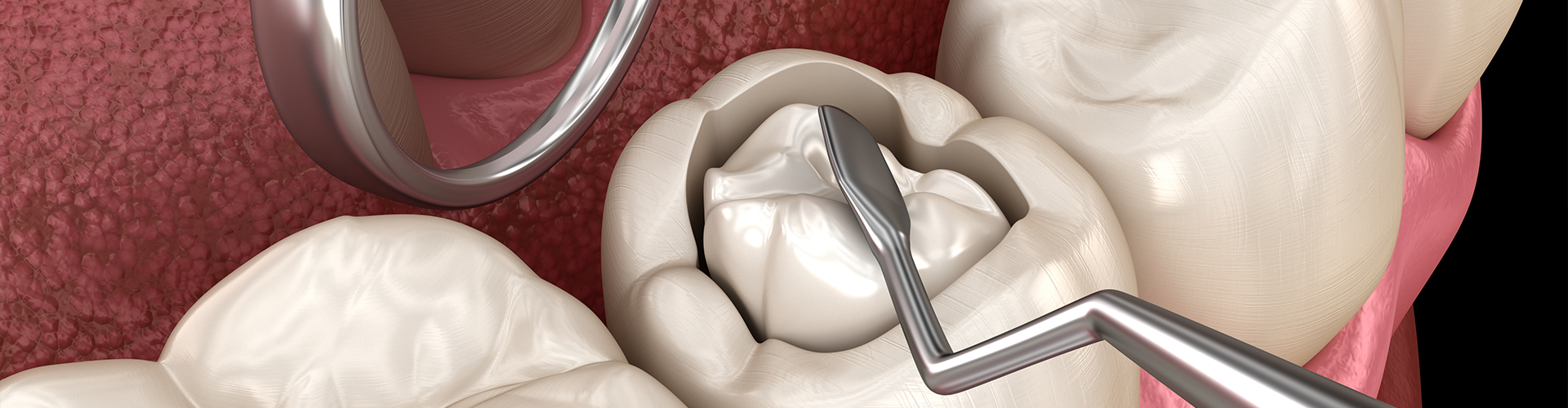
A cavity can be defined as a hole or pit that develops in the tooth due to tooth decay. These cavities form from the action of acids in the oral cavity that erode the hard outer layer of the tooth. Proper and regular tooth brushing, flossing, and professional dental cleanings can prevent cavities. What Is A Cavity Filling? Cavity fillings help treat tooth decay to prevent further damage and avoid the chance of tooth loss, as well as the chance of pain and infection. A cavity filling seals a hole, or cavity, in the decayed tooth. Cavity fillings may cause a little discomfort, but it does not cause pain. If a patient feels any kind of moderate or severe pain during or after the procedure, they should let their dentists know as soon as possible. Types Of Cavity Fillings There are a few types of cavity fillings, including: · Amalgam fillings: Amalgam is one of the few cavity filling materials available. It is a silver-containing mixture of different metals, such as copper, tin, indium, and mercury. These fillings may be more suitable for the posterior molars since they are not esthetically pleasing. The material is durable and lasts for a long time. · Composite fillings: The tooth-colored material consists of a resin matrix, filler particles that give it strength, and coupling agents that are a source of keeping the other two components together. These fillings are less durable than amalgam fillings, but they are less visible and do not contain heavy metals. · Glass ionomer fillings: The material is tooth-colored and made of powdered glass that bonds with the teeth. These fillings release fluoride continuously to help prevent further tooth decay and make a stronger tooth enamel surface. These types of fillings are not as strong as amalgam fillings. However, they are less visible and do not contain heavy metals. · Gold fillings: The material is a mix of copper, gold, and other metals. These are the most durable amongst fillings, lasting for 20 or more years. · Ceramics: These dental fillings are made most often of porcelain and are more resistant to staining than composite resin material. These cavity fillings are esthetic but are less in strength than composite fillings. This material usually lasts 15 years and can cost as much as gold. Procedure To Get A Cavity Filling Cavity fillings are generally a simple procedure. The following steps are included in cavity filling: Step 1 (Examination) Firstly, the dentist will examine the patient’s mouth using dental instruments. They may take an X-ray to see the extent of tooth decay. Step 2 (Anesthesia) The dental professional will give the patient a local anesthetic to numb the tooth area. This will help prevent any pain. The patient may not need an anesthetic if the filling is just on the tooth surface. Once the area is numb, the dentist will likely use a drill to get through the enamel so they can remove the tooth decay. Some dentists may use a laser or an air abrasion tool, but these are less common. Step 3 (Cleaning, shaping, and filling) Next, the dentist sterilizes and prepares the area for the dental filling, then fills the hole. Some types of fillings are hardened or cured with a blue wavelength light. Finally, the dentist will polish the tooth and check to make sure that the bite is correct. Step 4 (Recovery) Once the numbing has worn off, the filled tooth may feel a little sore or sensitive after the filling, but the patient should not feel any pain. The patient should avoid very hot or very cold foods and drinks for 1 or 2 days. Problems Related To Cavity Fillings It is important to know about potential problems related to cavity fillings so that the patient can promptly see their dentist to have dental fillings repaired or adjusted. Possible issues from tooth fillings are: · Infection: Sometimes, a dental filling will pull away from the tooth, creating a space. This small space can be a breeding ground for bacteria that can cause additional tooth decay. If there is a space between the tooth and cavity filling, visit a dentist as soon as possible. · Damage: Sometimes, a cavity filling breaks, cracks, or falls out. Damage to a filling can occur when a person bites down on something hard or if they are hit in the mouth while playing sports. See a dentist if you notice damage to a cavity filling to avoid irritation and infection. · Tooth sensitivity: A tooth that just had a filling is going to be more sensitive to hot and cold foods and beverages, air temperature, and therefore the pressure of biting. This sort of tooth pain after filling a cavity should resolve within a couple of weeks. · Cracked or loose tooth fillings: Tooth pain following a filling can occur if the filling is not fitted properly to the tooth or if it develops cracks. · Allergic reaction to cavity fillings: Some people have allergies to the material used for their fillings, like silver. To avoid tooth pain after filling a cavity, make certain to inform your dentist about any allergies when discussing your filling choices. · An unprotected tooth after getting a cavity filling is also a reason for pain after the procedure. To Sum Up A cavity filling is done to protect the decayed tooth from eroding any further than this. The filling of a cavity can be by many types of materials that are available, which include amalgam fillings, gold fillings, composite, ceramic, and porcelain fillings. If oral hygiene is not maintained after cavity fillings, it can cause tooth pain, sensitivity, and infection. FAQs Q1. Does filling a cavity hurt? It should not, although you can expect some tenderness and soreness during the first few days after you get a tooth filled. Getting a cavity filled can cause discomfort, but it does not always cause pain. Small surface cavities can be filled in less than 30 minutes with little to no discomfort. Deeper cavities that are near a tooth's pulp may be more painful and take longer to fill. Q2. What is the safest dental filling? Fillings made from amalgam are fifty percent mercury, with other metals like copper, tin, and zinc that make up the rest. These silver fillings have long been considered the best option for dental fillings because they are affordable and durable. They can last for years with proper care. Q3. How long should fillings last? You can usually expect a metal filling to last for about 15 years before needing to be replaced, but that can vary based on several factors. Tooth-colored fillings are made from a mixture of fine glass and plastic particles and do not last as long.
Fresh news from the dental world







Mon 8AM - 5PM
Tue 8AM - 5PM
Wed-Thu 8AM - 5PM
Fri 8AM - 5PM
Sat 9AM - 3PM
Sun Closed
Check out what our patients are saying in Long Beach, CA...


“Answers any questions...”
I been a patient here for over twelve years. Andrea greeted me and got my folder set up. Toni is very friendly and answers any questions you have promptly, when I always come in she greets you with a smile and makes your appointment enjoyable. Today Jovani and Dr. Joan made this experience great. I recommend this dentist for new patients.

“Clean and friendly...”
Very clean and friendly crew. I really enjoyed myself.

“My favorite dentist...”
The service here is amazing and they make you feel comfortable. I'm one of those people that hates to go to the dentist and the dentists that I went to in the past were not that great with service. Overall I found my favorite dentist service now at Long Beach Family Dentist.

“A positive experience...”
Very clean and organized office! Entire staff was pleasant and friendly, and seems interested in ensuring I had a positive experience. Will definitely return! Affordable rates.
“Answers any questions...”
I been a patient here for over twelve years. Andrea greeted me and got my folder set up. Toni is very friendly and answers any questions you have promptly, when I always come in she greets you with a smile and makes your appointment enjoyable. Today Jovani and Dr. Joan made this experience great. I recommend this dentist for new patients.
“Clean and friendly...”
Very clean and friendly crew. I really enjoyed myself.
Check out our accreditations, sources, and relationships in the wide world of dentistry...


Check us out and follow our Long Beach, CA practice on social media...