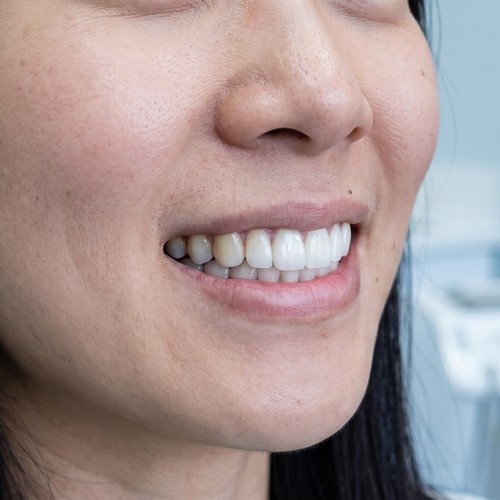
What Patients Ask Before Getting Veneers: Stains, Nightguards, and Whitening
Do veneers stain? Do you need a nightguard? Learn the facts about porcelain veneers and whitening. Schedule your consultation at Long Beach Family Dentist now!
Read More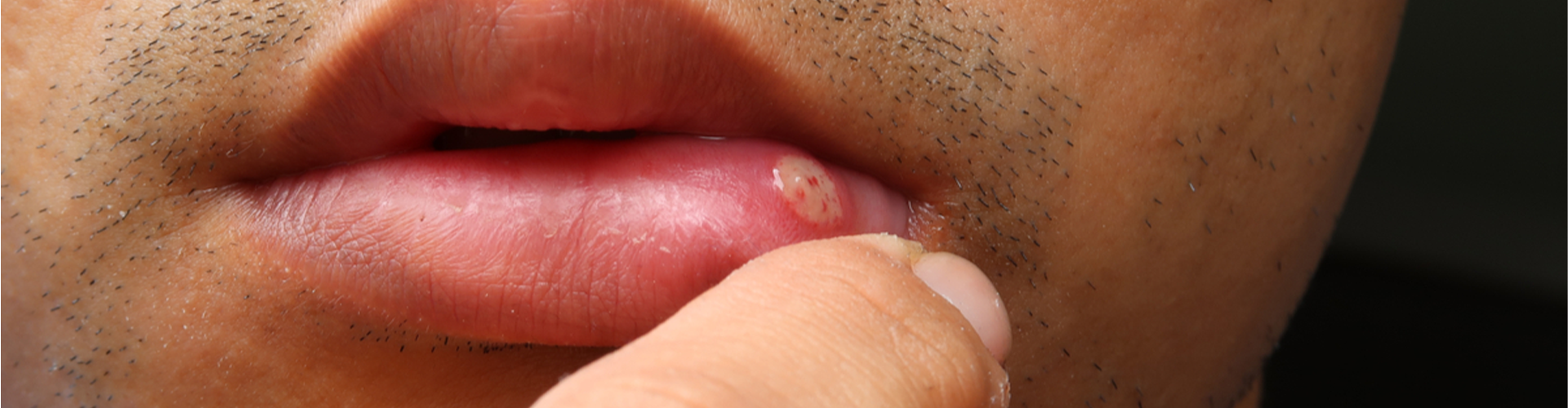
A canker sore, medically termed an aphthous ulcer, is the most common form of mouth ulcer. Generally, the ulcer heals within a week or two, but it is essential to consult with a dentist if it becomes overly painful. In the worst-case scenario, canker sores may make simple tasks like eating, drinking, and speaking difficult. What are the symptoms of canker sores? Canker sores are most noticeable on the soft tissues of the inner cheeks, gums, and lips. These are small white lesions that are shallow and develop on the mouth's soft tissues. The white sore gradually turns yellowish, surrounded by redness. Each of these lesions covers an area ranging between 1 millimeter to 1 inch in diameter. Canker sores are identified with the following symptoms- A painful sensation Difficulty in eating food and drinking water Trouble to speak Mild fever Bloated lymph nodes Can canker sores be categorized? Yes, based on the severity of the condition, canker sores are classified into three major categories- Simple canker sores- A simple canker sore is a common condition seen in individuals between 10 to 20 years of age. These sores last up to a week and may recur three to four times a year. Even though this is a painful condition, they heal independently without leaving behind any scarring. Complex canker sores- A complex canker sore is not as common as simple canker sores, but it involves considerable pain and discomfort. Unlike the simple canker sore, it may require medical intervention and can take up to 4 weeks or more to heal, leaving behind significant scarring. Herpetiform canker sores- People mostly experience severe pain accompanied by multiple clustered lesions in this rare condition. The worst part is that these clusters may often merge, giving an extreme burning sensation in the mouth. The chances of scarring are highest in Herpetiform canker sores.
What triggers canker sore development? It's hard to mention one specific reason that can trigger the growth of canker sores. Yet, discussed below are some of the most commonly anticipated causes: Minor injury from the sharp tooth surface or dental appliances like dentures Zealous brushing and flossing Accidental cheek or lip bite Consumption of acidic fruits and vegetables Chocolate, coffee, eggs, cheese, nuts Hot and zesty meals Some non-steroidal anti-inflammatory drugs like Ibuprofen Hormonal imbalances Anxiety, emotional strain Lack of essential vitamins like B-12, folic acid, and iron Disorders like Celiac disease, Crohn's disease, Lupus, or bowel disorder Weak immune system Can stress cause canker sores? Yes, emotional stress and anxiety can trigger the development of canker sores. Based on research published by the National Library of Medicine, experts have analyzed that people suffering from psychological conditions like stress, anxiety, or depression are most likely to experience canker sores with no definitive cause. The researchers could anticipate that the only reason is when a person experiences stress or anxiety; they possibly bite their lips or inner cheeks—such injuries may lead to canker sores. Are canker sores similar to cold sores? Undoubtedly, many people feel confused between canker and cold sores, but they are distinct. A cold sore is also called a fever blister or herpes simplex type 1, a severe condition that comprises fluid-filled blisters. These blisters appear due to the accumulation of highly contagious viruses. In contrast, a canker sore is not infectious because it is not a viral infection. Cold sores appear on external areas like under the nose, around the lips, or anywhere around the chin. But canker sores develop on the inner oral cavity on the soft tissues. What is inside a canker sore? Canker sores are not the same as cold sores or boils. Boils and cold sores develop on the skin surface and contain a pus-filled white area that pops up after a particular time, oozing out pus and blood. At the same time, canker sores appear inside the mouth as a flat ulcer that has lost its outer layer of tissue, involving no pus accumulation.
How to treat canker sores The good news is that canker sores heal unassisted without any treatment for most people. Some minor changes in the lifestyle, like practicing a healthy oral regime daily and avoiding extra-spicy food can help resolve such conditions by speeding up the healing process. However, anyone experiencing unusually large or clustered sores accompanied by unbearable pain must consult an emergency dentist. Generally, dentists prescribe some of the most common OTC products to heal the sores like benzocaine containing Orabase, Kank-A, hydrogen peroxide rinses like Orajel, Peroxyl, and fluocinonide like Vanos. Rinsing your mouth with a mouthwash and some home remedies can help resolve your condition, too. Does putting salt on your canker sore help? Using salt directly on the canker sores may increase soreness and irritation. Salt is one of the most common and effective treatments that can resolve the process. Nevertheless, rinsing your mouth with saline water and directly applying a baking soda paste can heal the sores. The use of saline water increases the pH level of the oral cavity and makes the area more alkaline, making it difficult for bacteria to survive. Additionally, salt also dries out the lesions and prevents further swelling. The bottom line Anyone can get canker sores, but women, teenagers, and those in their 20s are most likely to develop the condition. Even though the condition's exact cause is unknown, canker sores may often recur. It is imperative to maintain a healthy oral condition by brushing and flossing your teeth regularly, avoiding hot spicy food, and using soft bristle brushes to prevent the recurrence of the infection. Please feel free to consult with a dentist immediately if you experience excruciating sores spreading erratically.
Fresh news from the dental world



Mon 8AM - 5PM
Tue 8AM - 5PM
Wed-Thu 8AM - 5PM
Fri 8AM - 5PM
Sat 9AM - 3PM
Sun Closed
Check out what our patients are saying in Long Beach, CA...


“Answers any questions...”
I been a patient here for over twelve years. Andrea greeted me and got my folder set up. Toni is very friendly and answers any questions you have promptly, when I always come in she greets you with a smile and makes your appointment enjoyable. Today Jovani and Dr. Joan made this experience great. I recommend this dentist for new patients.

“Clean and friendly...”
Very clean and friendly crew. I really enjoyed myself.

“A positive experience...”
Very clean and organized office! Entire staff was pleasant and friendly, and seems interested in ensuring I had a positive experience. Will definitely return! Affordable rates.

“My favorite dentist...”
The service here is amazing and they make you feel comfortable. I'm one of those people that hates to go to the dentist and the dentists that I went to in the past were not that great with service. Overall I found my favorite dentist service now at Long Beach Family Dentist.
“Answers any questions...”
I been a patient here for over twelve years. Andrea greeted me and got my folder set up. Toni is very friendly and answers any questions you have promptly, when I always come in she greets you with a smile and makes your appointment enjoyable. Today Jovani and Dr. Joan made this experience great. I recommend this dentist for new patients.
“Clean and friendly...”
Very clean and friendly crew. I really enjoyed myself.
Check out our accreditations, sources, and relationships in the wide world of dentistry...


Check us out and follow our Long Beach, CA practice on social media...