What Patients Ask Before Getting Veneers: Stains, Nightguards, and Whitening
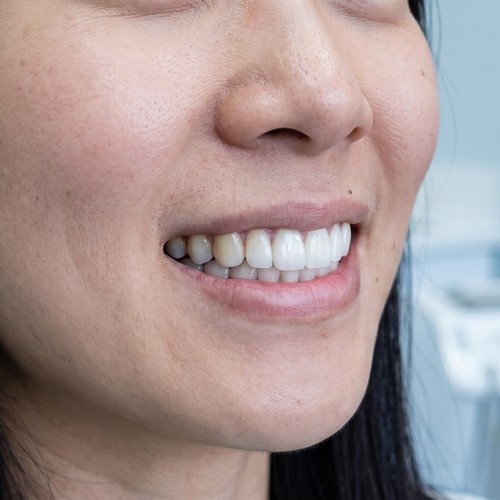
Do veneers stain? Do you need a nightguard? Learn the facts about porcelain veneers and whitening. Schedule your consultation at Long Beach Family Dentist now!
Read More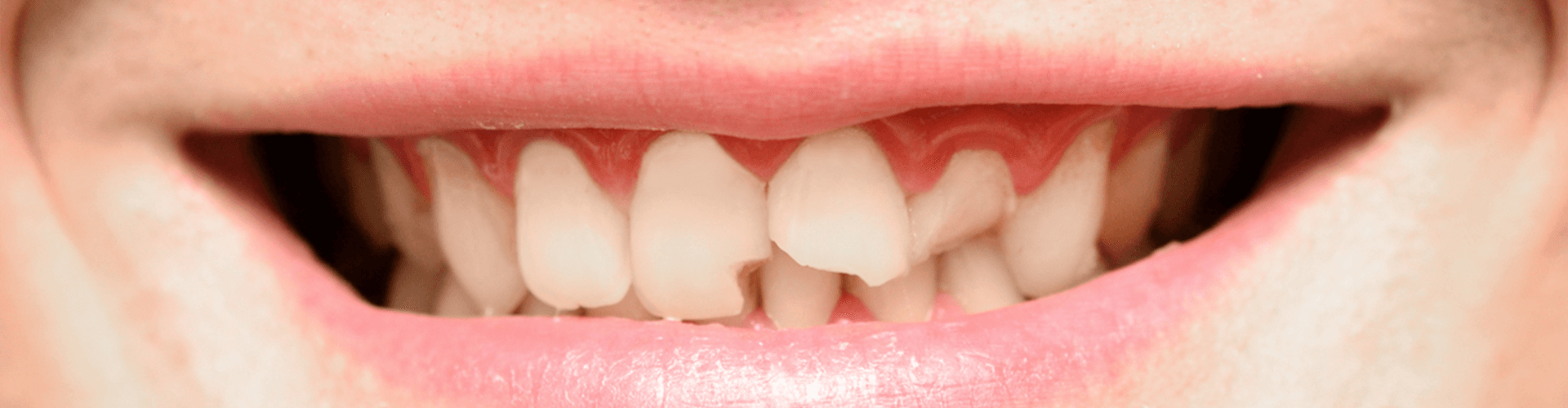
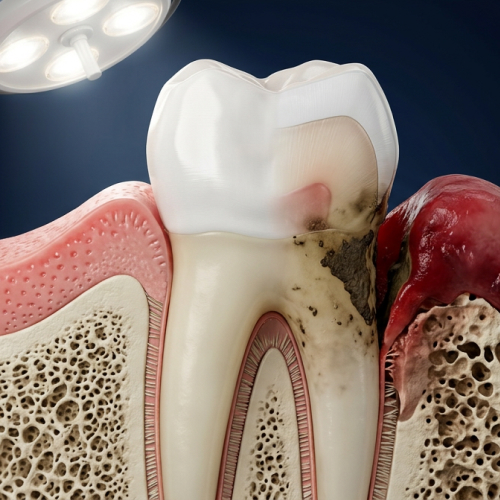
Understanding how to fix a chipped tooth or dental fracture depends on the severity and your quick thinking. No one wants to break a tooth, but it’s especially frustrating and distressing when it's a front tooth. Unlike back teeth and molars, which can hide the damage, our front teeth easily show off any abuse they face any time we talk or smile. Sudden chips and cracks are always a surprise, but it's not just accidents and sports injuries that can cause them like some people expect. Many people have bad habits that they don't realize are putting their smile's health in jeopardy. Anything that puts too much pressure on a tooth's weak spots can be enough to ruin your smile. Eating and biting down on hard foods like nuts and hard candies can do some damage, and chewing ice can be just as dangerous. Chronic clenching your jaw and grinding your teeth (bruxism) can also wear down the enamel and make it vulnerable to breaking. Nighttime bruxism is especially notorious as patients gnash their teeth with a bite force of up to 250 pounds and no conscious control. Our dentists have had more than one patient schedule an emergency appointment because they woke up in the middle of the night with a loud crack and a sharp toothache. Patients with severe cavities should also be cautious with their teeth. As tooth decay works its way through to the tooth’s center, it destroys the central tissues, blood vessels, and nerves keeping it strong and healthy. Without this central structure, the tooth can become brittle and more fragile, making one wrong meal choice or rough play a potential disaster in the making. Is A Broken Tooth Dangerous? While any damage to a front tooth might seem disastrous, some breaks are worse than others. Minor chips may not need any professional treatment at all. When there's no pain, the injury likely doesn't go farther than the tooth's outermost enamel layer. The enamel is hard and sturdy, and it is meant to take the brunt of any attack on the tooth as it acts as the inner tissues' shield or armor. However, once the chip makes it past this layer into the inner tooth, it can be a potential nightmare for your smile. When they extend deep enough, breaks can expose the sensitive inner tissues your tooth relies on to stay alive and healthy. In worst-case scenarios, enough of the tooth can be lost that it quickly dies and must be removed as soon as possible.
"How can I tell if I have a dental emergency?" If you've chipped or broken your tooth, please see your dentist for immediate treatment if you experience any of the following: Excessive bleeding Cuts and further harm to your gums, cheeks, and lips from sharp tooth edges Throbbing toothache or severe tooth pain Loose teeth What Happens If You Leave A Cracked Tooth Untreated? Cracked teeth are a bit different than chipped ones. While chips and clean breaks usually operate on a “what you see is what you get” basis, the same isn’t true for fractures. In many cases, a cracked tooth is much more severe than it might appear on the surface. This often leads people to underestimate the damage to their front tooth, and they leave it untreated until things are much worse. A small or even hairline fracture might not break off a part of a tooth or cause it to loosen, but it can still reach deep into its center to cause direct and extensive harm. Cracked teeth can also provide the perfect opportunity for dental decay to strike right at your tooth's heart. Fractures that break past the enamel give bacteria and decay quick access to the most vulnerable and sensitive areas of the teeth. Once these cavity bugs get a hold of the tooth, they gradually destroy it from the inside out, even as pus-filled abscesses and infection spread. How do you tell if your tooth is infected? Common warning signs of dental decay include: Chalky white spots on teeth Tooth discoloration Unexpected toothache Visible hole in the tooth Sensitivity to hot and cold foods Lingering sensitivity to sweets Why Does My Broken Tooth Not Hurt? As we’ve already discussed, a chipped or cracked tooth might be completely painless if the damage doesn’t reach the inner tooth. However, even a severely injured tooth might become numb if enough of it has broken off. And in some cases, you may find that cracked or chipped front tooth that used to be excruciating suddenly stops hurting. There are two likely culprits for this, neither of which are good. Firstly, toothaches can often come and go. Your broken tooth pain relief may only be a brief reprieve before it comes back with a vengeance. Or, even worse, your tooth might be on the brink of death as most or all of the tooth’s central dental pulp has been damaged or decayed. The pulp contains the tooth's critical nerves and blood vessels. Together, they act as the heart and soul of the tooth. When enough of the nerves are destroyed, the tooth no longer has the blaring warning system to tell you that something is dangerously wrong. While the pain may have disappeared, the damage itself hasn't. And with dental decay, the infection will continue spreading until all of the tooth's pulp is gone, and the tooth dies. It will then spill into the surrounding tissue and bones to start attacking the rest of your smile. Unfortunately, your dentist may need to perform an emergency tooth extraction to prevent this.
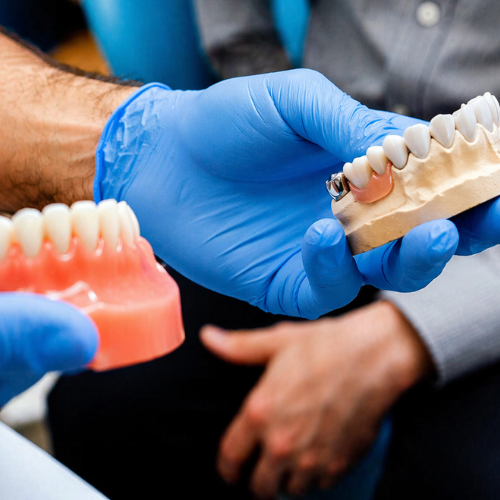
Fixing a Broken Tooth: Your Options It’s always better to fix a fractured or broken front tooth before things get so serious. Depending on the break’s severity, you may need one of the following cracked and chipped tooth repair options: Tooth Bonding and Porcelain Veneers Even if the damage is only surface level, many patients choose to repair their front teeth with cosmetic dentistry procedures like tooth bonding and dental veneers. Bonding uses a liquid material called composite bonding that can be shaped to your dentist's needs, filling in cracks and holes where necessary. Veneers instead apply thin but durable porcelain shells to the outer enamel, letting your cosmetic dentist recreate the entire tooth's look. The teeth will need to be slightly shaved down to fit them, providing a rough surface to bond to and preventing any bulkiness. As both treatments remake the enamel's surface, bonding and veneers can simultaneously take care of these aesthetic issues too: Dental stains and tooth discoloration Teeth gaps Lumpy and misshapen teeth Teeth that are too long or too short Minor crookedness Wear and tear Which is better: bonding or veneers? Porcelain veneers are typically more effective because they can tackle worse cases than dental bonding. They’re also more durable and can last more than 10 or 15 years longer. However, they may not be the best choice for everyone, depending on patients’ specific needs. Not all patients are comfortable with having their teeth filed down for veneers. Additionally, bonding is much more budget-friendly. Tooth Filling and Dental Crown If chips go further than the enamel or the tooth becomes infected, then simple aesthetic procedures aren't enough. Your tooth will need a filling or dental crown to bring it back to full health. Fillings are used to fix teeth whose damage is narrow but deep, allowing a dentist to spot-treat wherever necessary. Meanwhile, crowns cap the entire tooth to take on more extensive injuries that can span the whole tooth. With both treatments, injured and decayed tissues are removed and replaced with the filling or crown to restore the tooth to its old self. Since dental fillings are limited to a small area, we use composite resin, which is used in bonding. However, unlike bonding, fillings focus on restoring a tooth's health rather than its appearance. Your tooth requires something much sturdier than composite with dental crowns since we're recreating the entire natural tooth crown. We prefer to use porcelain and porcelain for front teeth as they can last more than 25 years with good care while retaining your tooth's natural appearance. While base metal and gold crowns are longer-lasting, they're not the most aesthetic option. Root Canal Once the damage reaches the central dental pulp, you will need a root canal to clear out the tooth’s incredibly sensitive roots. If a dental abscess has formed, a root canal allows your dentist to drain it safely. This is crucial with cavities as abscesses can rupture, spreading bacteria and infection throughout the mouth. In some rare cases, complications can even lead to the development of potentially deadly sepsis. After the damaged or infected parts of the tooth's root have been cleared, the tooth will need to be filled and reinforced to prevent future damage and decay. To fill the tooth, your dentist will use a rubbery material called gutta-percha. From there, a standard filling or crown is used to seal off the inner tooth and strengthen the enamel surface.
Fresh news from the dental world




Mon 8AM - 5PM
Tue 8AM - 5PM
Wed-Thu 8AM - 5PM
Fri 8AM - 5PM
Sat 9AM - 3PM
Sun Closed
Check out what our patients are saying in Long Beach, CA...


“Answers any questions...”
I been a patient here for over twelve years. Andrea greeted me and got my folder set up. Toni is very friendly and answers any questions you have promptly, when I always come in she greets you with a smile and makes your appointment enjoyable. Today Jovani and Dr. Joan made this experience great. I recommend this dentist for new patients.

“Clean and friendly...”
Very clean and friendly crew. I really enjoyed myself.

“A positive experience...”
Very clean and organized office! Entire staff was pleasant and friendly, and seems interested in ensuring I had a positive experience. Will definitely return! Affordable rates.

“My favorite dentist...”
The service here is amazing and they make you feel comfortable. I'm one of those people that hates to go to the dentist and the dentists that I went to in the past were not that great with service. Overall I found my favorite dentist service now at Long Beach Family Dentist.
“Answers any questions...”
I been a patient here for over twelve years. Andrea greeted me and got my folder set up. Toni is very friendly and answers any questions you have promptly, when I always come in she greets you with a smile and makes your appointment enjoyable. Today Jovani and Dr. Joan made this experience great. I recommend this dentist for new patients.
“Clean and friendly...”
Very clean and friendly crew. I really enjoyed myself.
Check out our accreditations, sources, and relationships in the wide world of dentistry...


Check us out and follow our Long Beach, CA practice on social media...